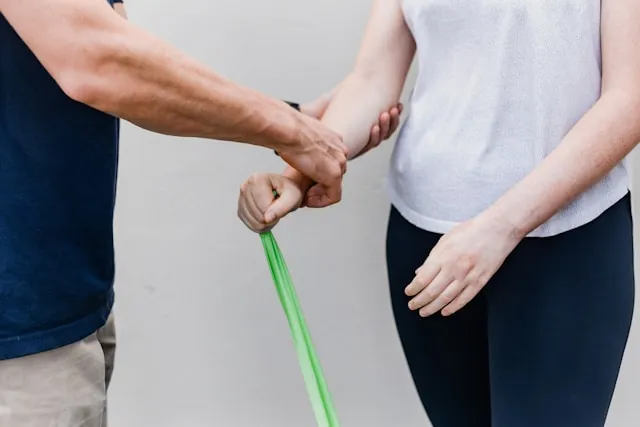
Assessment
A detailed history, then a thorough examination of movement, strength and the affected area. You leave knowing what is wrong, why it happened, and exactly what we are going to do about it.
Most neck and shoulder pain is mechanical, and it improves with the right movement rather than rest. The plan is built around what you need back: sleeping, working and reaching overhead without a second thought.

Overview
Neck and shoulder pain is discomfort, stiffness or weakness across the neck, the cervical spine, and the shoulder joint with its surrounding rotator-cuff muscles and tendons. It covers several different problems rather than one, and the reassuring part is that most of it is mechanical, not a sign of serious disease. That means it usually responds to the right movement and load, not to rest or a scan.
When your neck stiffens at the desk or your shoulder bites every time you reach overhead, it is easy to fear the worst. Neck and shoulder pain are among the most common reasons people seek physiotherapy, and we see this pattern all day in screen and desk professionals across our central-London clinics: long hours at a monitor, a shoulder that complains on the overhead press, a neck that seizes after a heavy week. Mechanical neck pain responds well to movement rather than rest, rotator-cuff shoulder pain is largely about tendon load tolerance, and frozen shoulder is self-limiting but slow.
The problems we see in this area fall into a few distinct groups, and telling them apart matters because the right plan for one is the wrong plan for another:
Most does, and the right care makes it faster and less likely to return: frozen shoulder especially is worth assessing early. In line with NHS advice, exercise, manual therapy and education are first-line, and routine imaging is rarely needed. We build a graded plan around the activities you want back, then rebuild the load tolerance behind the problem with strength training so the next episode is smaller and rarer.
We treat professionals, gym-goers and overhead athletes through physiotherapy and sports rehab across our Soho, Liverpool Street and Marylebone clinics, often alongside a related tendinopathy, with sports massage as an adjunct where muscular guarding is high. Self-referral; no GP letter needed.
Mechanical neck pain, rotator-cuff-related shoulder pain and frozen shoulder feel similar from the inside but behave very differently. The assessment separates them, because the right plan for one is the wrong plan for another. You leave knowing which it is and what happens next.
Long hours at a screen or steering wheel load the neck and shoulder girdle hour after hour. Hands-on treatment and soft-tissue work settle the guarding, then we change the working positions and movement-break habits that were feeding it, so relief holds beyond the session.
Shoulder pain that wakes you when you lie on that side, or bites on reaching overhead, is usually about tendon load tolerance. A graded programme pitched to your current capacity settles symptoms and restores the range you need for work, the gym and a full night of sleep.
Frozen shoulder is self-limiting but slow, moving through painful, stiff and recovery phases. We tell you which phase you are in, manage the pain, protect the movement you have, and restore range as the shoulder settles. Realistic expectations from the first appointment.
Progressive strengthening of the neck, shoulder and rotator-cuff muscles is the best-evidenced route back from shoulder pain beyond the acute stage. We coach the load up gradually, so the tendon adapts rather than flares, and you finish stronger than before the problem started.
A previous episode raises the likelihood of another, and a rapid spike in overhead or gym load is a common trigger. We adjust how your training and desk time load the area, then leave you with a short maintenance programme that protects the gains.
Why it happens
Sustained postural loading: long hours at a desk, screen, or steering wheel without movement breaks
A rapid increase in overhead or gym load that outpaces rotator-cuff tendon capacity
Deconditioning and reduced strength after time off, illness, or a previous injury
Frozen shoulder (adhesive capsulitis), which can begin without obvious cause or follow a period of immobility
Acute strain from an awkward movement, sleeping position, or sudden overhead effort
Stress, poor sleep, and low mood: well-evidenced amplifiers of musculoskeletal pain

The assessment covers a detailed history and a thorough examination of movement, strength and the affected area. We explain what we find and agree a working diagnosis and plan you understand before you leave.
You go home with a written summary and a home-exercise programme built around your diagnosis and goals, so progress continues between visits.
Move better. Train stronger. Live fully. Pain relief that lasts is not enough on its own: we find the cause, then rebuild the strength behind the pain so it stays gone. No guesswork, no generic rehab.


Ready to optimise you? You can self-refer and book directly: no GP letter needed, and every new patient can start with a free 15-minute consultation call. The same fees apply across our Soho, Liverpool Street and Marylebone clinics.
Everything starts with finding the cause. Whether the goal is a marathon start line or a week at your desk without pain, we treat what is driving the problem, then build the strength that keeps it fixed.
A detailed history, then a thorough examination of movement, strength and the affected area. You leave knowing what is wrong, why it happened, and exactly what we are going to do about it.

Hands-on manual therapy combined with a progressive, tailored exercise programme. Sports massage, dry needling, shockwave or Reformer Pilates are added where they help your specific problem.

Coached, progressive strength work restores the load tolerance your body lost, paced to where you start. This is the stage that decides whether the fix lasts.

Each follow-up reassesses you against your baseline, with VALD testing where useful, so your return to work, sport or training rests on measured readiness. Discharge happens by mutual agreement when you can manage independently.

Treatment approach
Hands-on assessment identifies whether the problem is mechanical neck pain, rotator-cuff-related shoulder pain, or frozen shoulder, then combines manual therapy, education, and graded exercise: the first-line approach supported by current physiotherapy best practice.
See treatment detail →Soft-tissue work can ease the muscular tension and guarding that often accompany neck and shoulder pain, used as an adjunct to help you engage more comfortably with the active exercise plan.
See treatment detail →FAQ
Usually not. Most neck and shoulder pain is mechanical, and routine imaging rarely changes management: scans often reveal age-related changes that are common in pain-free people. We reserve imaging for genuine red flags, suspected significant tears, or symptoms that fail to improve as expected, and refer through the appropriate route when it is needed.
Frozen shoulder is self-limiting but slow, often lasting many months and sometimes longer, progressing through painful, stiff, and recovery phases. Physiotherapy focuses on managing pain, maintaining the movement you have, and restoring range as the shoulder settles. We set realistic expectations at your first appointment and adjust the plan to the phase you are in.
A well-judged, graded programme should not. Current best practice for rotator-cuff-related shoulder pain is progressive loading, where exercises are pitched to your current tolerance and advanced gradually. Some manageable discomfort during rehab is normal and not harmful. Your physiotherapist guides the right amount of load for your stage so symptoms settle rather than flare.
Call 999 or go to A&E if neck pain follows a serious accident, or you develop loss of bladder or bowel control, numbness around the genitals, or worsening weakness or co-ordination problems in the limbs. Contact NHS 111 or your GP urgently for fever, unexplained weight loss, or feeling generally unwell.
It depends on which problem you have. Mechanical neck pain and early rotator-cuff pain often ease within a handful of sessions, while frozen shoulder is measured in months as it moves through its phases. We give you a realistic, individual estimate at your first appointment and adjust it as your symptoms and strength change.
Often yes, though it is rarely the whole answer. Long static hours at a screen load the neck and shoulder girdle, so better monitor height, regular movement breaks and a stronger upper back all reduce the daily strain. We pair those changes with graded exercise, because posture tweaks alone seldom settle an established problem.
Get Started
Physio and Performance • 111 Charing Cross Road, Soho, London WC2H 0DT
Book NowAppointments typically available within 1–2 weeks