Assessment
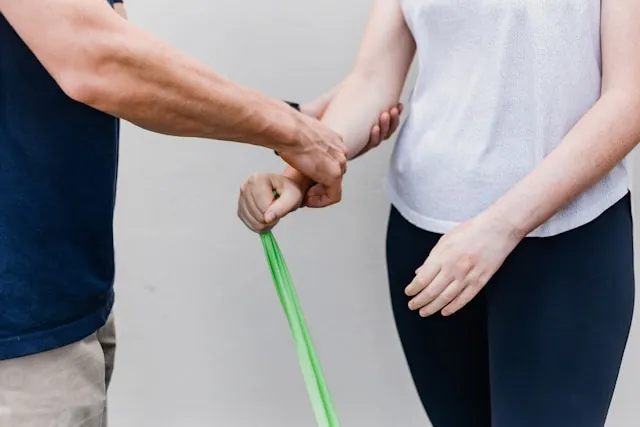
A detailed history, then a thorough examination of movement, strength and the affected area. You leave knowing what is wrong, why it happened, and exactly what we are going to do about it.
Osteoarthritis and persistent pain respond to the right movement, not rest. We build a graded, evidence-based plan that keeps you active, stronger and in control.

Overview
Arthritis and persistent pain are widely misunderstood: the instinct to rest and protect the joint is usually the opposite of what helps. The change seen on a scan correlates poorly with how much pain you actually feel.
Yes. NICE recommends therapeutic exercise and self-management as core treatment for osteoarthritis (NG226) and for chronic primary pain (NG193), ahead of imaging, surgery or most medication. We screen for the rare features that need referral, then build a graded, sustainable plan paced to where you start.
We support older adults, desk-based professionals and active people across our Soho, Liverpool Street and Marylebone clinics. Self-referral; no GP letter needed.
Why it happens
Age-related joint changes of osteoarthritis in the knee, hip, hand or other joints, which respond to graded exercise rather than rest
Deconditioning and loss of muscle strength around an affected joint, often from avoiding activity because of pain, which leaves the joint less protected
Persistent (chronic) primary pain that continues beyond normal healing time and becomes sensitised, real and disabling even without ongoing tissue damage
A previous injury, fracture or joint surgery that has accelerated wear or left a joint less resilient
Higher body weight and low overall activity levels, which increase load on weight-bearing joints and reduce conditioning
Poor sleep, high stress and low mood, well-evidenced amplifiers of pain perception that maintain a chronic-pain cycle
The instinct to rest and protect a painful joint is usually the opposite of what helps, and the worry that exercise wears joints out is not supported by the evidence. We show you what your joint can safely do, then build from there at your pace.
NICE names therapeutic exercise the core treatment for osteoarthritis, irrespective of age. Strong muscles offload and protect an arthritic knee, hip or hand, and graded strengthening reduces pain while it restores function. The programme starts wherever you are, including from very little.
Pain that has outlasted normal healing is real, even when no scan explains it. For chronic primary pain, NICE recommends supervised exercise and self-management over most medication. We pair a graded movement plan with education that helps you understand and pace your pain.
When full-weight work feels like too much, controlled Reformer Pilates gives you strengthening under supported load: an accessible way to stay active, build strength and hold onto mobility. It bridges the gap between doing nothing and doing what your joints currently resent.
Body weight, activity levels, sleep and stress all feed into joint load and pain sensitivity. We help you work on the ones that matter for you, with dietitian-led support available in the same practice, because these levers often move pain as much as treatment does.
The end point is self-management: a sustainable routine you run yourself, the knowledge to handle flare-ups without alarm, and a joint or pain problem that no longer decides your week. We stay available for reviews, but independence is the goal.

The assessment covers a detailed history and a thorough examination of movement, strength and the affected area. We explain what we find and agree a working diagnosis and plan you understand before you leave.
You go home with a written summary and a home-exercise programme built around your diagnosis and goals, so progress continues between visits.
From pain to performance. Pain relief that lasts is not enough on its own: we rebuild the strength behind the pain so it stays gone.


You can self-refer and book directly: no GP letter needed, and every new patient can start with a free 15-minute consultation call. The same fees apply across our Soho, Liverpool Street and Marylebone clinics.
Everything starts with finding the cause. Whether the goal is a marathon start line or a week at your desk without pain, we treat what is driving the problem, then build the strength that keeps it fixed.
A detailed history, then a thorough examination of movement, strength and the affected area. You leave knowing what is wrong, why it happened, and exactly what we are going to do about it.

Hands-on manual therapy combined with a progressive, tailored exercise programme. Sports massage, dry needling, shockwave or Reformer Pilates are added where they help your specific problem.

Coached, progressive strength work restores the load tolerance your body lost, paced to where you start. This is the stage that decides whether the fix lasts.

Each follow-up reassesses you against your baseline, with VALD testing where useful, so your return to work, sport or training rests on measured readiness. Discharge happens by mutual agreement when you can manage independently.

Treatment approach
Assessment of how your pain affects daily life, education that helps you understand and pace it, and a graded exercise and self-management plan together form the NICE NG226 and NG193 first-line treatment for osteoarthritis and chronic primary pain: exercise reduces pain and protects function irrespective of age.
See treatment detail →Progressive strength work rebuilds the muscle that protects and offloads an arthritic joint and restores the conditioning lost to pain-related inactivity, improving function and confidence: the core, best-evidenced treatment for osteoarthritis, paced carefully to where you are starting from.
See treatment detail →Reformer Pilates offers controlled, low-impact strengthening and movement under supported load: an accessible, exercise-based way to stay active, build strength and maintain mobility with arthritis or persistent pain, consistent with the NICE NG226 emphasis on therapeutic exercise.
See treatment detail →FAQ
Yes, and it is recommended. NICE guidance (NG226) names therapeutic exercise a core treatment for osteoarthritis, irrespective of age, and it is advised even when arthritis shows on a scan. Strengthening the muscles around a joint reduces pain and improves function, and does not wear the joint out. We pace the programme to build you up rather than flare you.
No: this is a common worry, but appropriately graded exercise does not wear joints out. The change seen on a scan correlates poorly with pain, and strong muscles protect and offload a joint rather than damaging it. Avoiding activity, by contrast, causes deconditioning and weaker support around the joint. We build your load gradually so you strengthen.
Yes. NICE guidance on chronic pain (NG193) recommends supervised exercise and self-management over most medications for chronic primary pain. Persistent pain is real even without ongoing tissue damage, and a graded movement programme, paired with education that helps you understand and pace your pain, reduces its impact and helps you return to the activities that matter to you over time.
Usually not as the first step. NICE advises against routine imaging for osteoarthritis because scan findings rarely change treatment, and NICE NG193 steers away from most long-term painkillers for chronic primary pain. Exercise, weight management and self-management are first-line. We reserve onward referral for genuine red flags or symptoms that suggest a specific cause needing further investigation.
Seek prompt care if a joint becomes hot, swollen and red and you feel unwell with a fever, which can signal infection or acute inflammatory arthritis. Unexplained weight loss, night pain, a history of cancer, or new neurological symptoms also warrant urgent medical review rather than physiotherapy first. We will always direct you to the right care.
Get Started
Physio and Performance • 111 Charing Cross Road, Soho, London WC2H 0DT
BookAppointments typically available within 1–2 weeks