Assessment
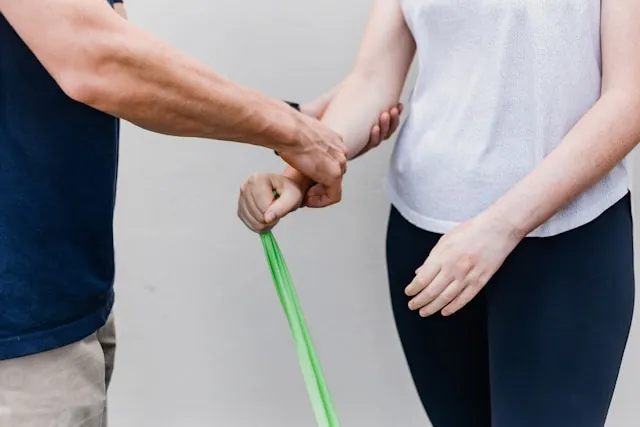
A detailed history, then a thorough examination of movement, strength and the affected area. You leave knowing what is wrong, why it happened, and exactly what we are going to do about it.
Most knee pain is mechanical, and rest usually backfires. We rebuild the strength that protects the joint so you get back to running pain-free.

Overview
Most knee pain is mechanical, not the start of an inevitable decline, whether it is around the kneecap, the outer thigh, a tendon or an early-arthritic joint. The instinct to stop and rest usually backfires: the joint loses the strength that protected it, and the pain returns when you load it again.
Usually neither, at least not first. NICE recommends therapeutic exercise for osteoarthritis ahead of imaging or surgery, and the BJSM supports progressive loading for tendinopathy. We rule out the rare red flags, find the structure and the load behind it, then build a strength plan around how you train, work and move.
We treat professionals, runners and athletes across our Soho, Liverpool Street and Marylebone clinics. Self-referral; no GP letter needed.
Why it happens
A rapid spike in running, jumping or gym load that outpaces what the knee can currently tolerate, the usual driver of patellofemoral and tendon-related pain
Strength and control deficits in the quadriceps, gluteal and hip muscles, so the kneecap and tendons absorb load they are not prepared for
Patellar tendinopathy from repetitive jumping, hopping or rapid changes of direction without adequate recovery
Iliotibial band-related irritation, often linked to a sudden increase in running mileage or a change in surface or footwear
Early osteoarthritis: age-related joint changes that respond well to exercise rather than rest
Recovery after a knee sprain, ligament or meniscal injury, or knee surgery, where strength and load tolerance need rebuilding
Deconditioning after time off, illness or surgery, leaving the joint and surrounding muscles under-prepared
Kneecap, tendon, outer thigh or an early-arthritic joint: they present differently and they load differently. The assessment identifies which one is driving your pain, because a plan built for the wrong structure wastes weeks. You leave with a working diagnosis you understand.
Pain behind the kneecap on stairs, squatting or after long sitting responds to graded loading of the quadriceps, gluteal and hip muscles. We rebuild the strength those structures lost, so the kneecap stops absorbing load it was never prepared for.
A patellar tendon that warms up during sport then punishes you the next morning is asking for progressive load. We build it back with a structured programme, and reserve shockwave for the stubborn cases that have not settled with first-line loading.
Early osteoarthritis responds to exercise rather than rest: NICE recommends therapeutic strengthening ahead of imaging or surgery. Strong muscles protect and offload the joint. We pace the programme to your starting point, so you build capacity without flaring the knee.
Rest alone leaves the knee weaker, and the pain returns the week you load it again. We rebuild strength and control step by step, then judge your return to running and sport on measured milestones rather than on how the knee feels one good morning.
After a sprain, a meniscal problem or an operation, load tolerance has to be rebuilt deliberately. We work with your history, restore strength and confidence in stages, and address the hip and gluteal deficits that let the knee become overloaded in the first place.

The assessment covers a detailed history and a thorough examination of movement, strength and the affected area. We explain what we find and agree a working diagnosis and plan you understand before you leave.
You go home with a written summary and a home-exercise programme built around your diagnosis and goals, so progress continues between visits.
From pain to performance. Pain relief that lasts is not enough on its own: we rebuild the strength behind the pain so it stays gone.


You can self-refer and book directly: no GP letter needed, and every new patient can start with a free 15-minute consultation call. The same fees apply across our Soho, Liverpool Street and Marylebone clinics.
Everything starts with finding the cause. Whether the goal is a marathon start line or a week at your desk without pain, we treat what is driving the problem, then build the strength that keeps it fixed.
A detailed history, then a thorough examination of movement, strength and the affected area. You leave knowing what is wrong, why it happened, and exactly what we are going to do about it.

Hands-on manual therapy combined with a progressive, tailored exercise programme. Sports massage, dry needling, shockwave or Reformer Pilates are added where they help your specific problem.

Coached, progressive strength work restores the load tolerance your body lost, paced to where you start. This is the stage that decides whether the fix lasts.

Each follow-up reassesses you against your baseline, with VALD testing where useful, so your return to work, sport or training rests on measured readiness. Discharge happens by mutual agreement when you can manage independently.

Treatment approach
Assessment first identifies which structure is driving your knee pain: patellofemoral, ITB, tendon or early osteoarthritis, then delivers an individualised, progressive loading and rehabilitation programme, the first-line, best-evidenced treatment across all of these presentations.
See treatment detail →Structured strength work rebuilds capacity in the quadriceps, gluteal and hip muscles that control the knee, addressing the deficits behind patellofemoral and tendon-related pain and supporting a confident, durable return to running, sport and daily activity.
See treatment detail →For patellar tendinopathy that has not settled with first-line loading, shockwave therapy may be considered as an adjunct alongside continued rehabilitation, in line with NICE interventional procedures guidance; evidence is mixed and it is never a substitute for progressive loading.
See treatment detail →FAQ
For most knee pain: patellofemoral, ITB-related, tendon-related or early osteoarthritis, exercise-based loading is first-line. NICE recommends therapeutic exercise for osteoarthritis, and the BJSM consensus supports progressive loading for tendinopathy. A graded strength programme tailored to your knee rebuilds capacity. Rest alone rarely works and can leave the joint weaker.
Usually keep moving within sensible limits. Complete rest tends to leave the knee weaker, so pain returns when you resume activity. The evidence supports relative rest: temporarily easing the most aggravating loads while progressively rebuilding tolerance through structured exercise. Your physiotherapist guides exactly how much load is right for your stage of recovery.
Usually not. NICE advises against routine imaging for osteoarthritis, and scans often show age-related changes common in pain-free people that rarely alter treatment. We reserve imaging for clear red flags, a locked or giving-way knee suggesting a structural injury, or symptoms that fail to improve and point to a specific cause needing investigation.
It can help some recalcitrant patellar tendinopathy that has not responded to first-line loading, used as an adjunct alongside continued rehabilitation per NICE interventional procedures guidance. The evidence is mixed and it is not a guaranteed cure or a substitute for progressive loading. We will tell you honestly whether it suits your specific knee.
Seek urgent care after significant trauma, or if your knee is hot, swollen and you feel unwell with a fever, which can signal infection. A knee that locks, gives way or cannot bear weight needs prompt assessment for a structural injury. For these, physiotherapy is not the first step; see your GP or attend A&E.
Get Started
Physio and Performance • 111 Charing Cross Road, Soho, London WC2H 0DT
BookAppointments typically available within 1–2 weeks