Assessment
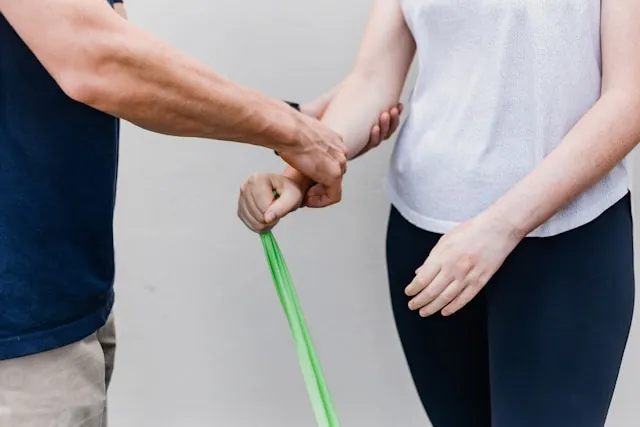
A detailed history, then a thorough examination of movement, strength and the affected area. You leave knowing what is wrong, why it happened, and exactly what we are going to do about it.
Three sports, one body, and a high total load. We find which discipline is driving your pain and rebuild capacity so you train across swim, bike and run without breaking down.

Overview
Triathlon is unusual because the same athlete loads the body in three ways and the total volume is high. The pattern follows the disciplines: swimming irritates the shoulder, cycling produces knee and low-back discomfort, and running, the most injurious per hour, drives knee, Achilles and shin problems plus the highest bone-stress risk.
Often it is the combination rather than one discipline, because the three sports share your recovery and a spike in one shows up as injury in another. We find the structure and the load behind it, then build a graded plan; NICE and BJSM support graded loading as first-line care. We rebuild capacity and review how load is spread across swim, bike and run.
We treat first-timers, age-groupers and competitive triathletes across our Soho, Liverpool Street and Marylebone clinics. Self-referral; no GP letter needed.
Why it happens
Repeated overhead freestyle stroke that loads the rotator cuff, the driver of swimmer's shoulder when volume or fatigue rises
Sustained cycling posture and pedalling load producing anterior knee pain and low-back and neck discomfort, often position- or bike-fit–related
Running overuse: the most injurious discipline per hour, driving knee, Achilles, shin and bone-stress problems
High combined training volume across three sports that share recovery, leaving the athlete under-recovered overall
A spike in one discipline without adjusting the others, so the extra load shows up as injury elsewhere
Strength and control deficits in the shoulder, hip, calf and trunk that leave tissue under-prepared for multi-sport load
Swim, bike and run each load the body differently, and often the culprit is the combination rather than any single session. We map your symptoms against your training across all three, because a spike in one discipline frequently surfaces as pain in another.
Three sports give us room most athletes never get. A running injury can usually coexist with swimming and adjusted cycling, so we offload the irritated tissue while your engine keeps its fitness. A full stop is rarely necessary and never the first option.
The freestyle stroke loads the rotator cuff thousands of times a session, and pain arrives when volume or fatigue outstrips capacity. We rebuild cuff and shoulder-blade strength, manage stroke volume through recovery, and return your swim sets in graded steps.
Knee pain, low-back ache and neck stiffness that build on the bike are usually position-related as much as load-related. We rebuild the capacity underneath them and flag the saddle, reach and cleat factors worth reviewing, so the fix survives your longest ride.
High combined volume with low energy availability is the recipe for bone-stress injury, and running carries the highest risk of the three sports. We screen for it, and with a sports dietitian in the practice, fuelling and RED-S concerns get proper assessment.
Recovery is the resource all three disciplines share, and recurrent injury usually means the total load, not one workout, is the problem. We review how your week distributes stress, rebuild the weak link, and progress you towards the start line on measured markers.

The assessment covers a detailed history and a thorough examination of movement, strength and the affected area. We explain what we find and agree a working diagnosis and plan you understand before you leave.
You go home with a written summary and a home-exercise programme built around your diagnosis and goals, so progress continues between visits.
From pain to performance. Pain relief that lasts is not enough on its own: we rebuild the strength behind the pain so it stays gone.


You can self-refer and book directly: no GP letter needed, and every new patient can start with a free 15-minute consultation call. The same fees apply across our Soho, Liverpool Street and Marylebone clinics.
Everything starts with finding the cause. Whether the goal is a marathon start line or a week at your desk without pain, we treat what is driving the problem, then build the strength that keeps it fixed.
A detailed history, then a thorough examination of movement, strength and the affected area. You leave knowing what is wrong, why it happened, and exactly what we are going to do about it.

Hands-on manual therapy combined with a progressive, tailored exercise programme. Sports massage, dry needling, shockwave or Reformer Pilates are added where they help your specific problem.

Coached, progressive strength work restores the load tolerance your body lost, paced to where you start. This is the stage that decides whether the fix lasts.

Each follow-up reassesses you against your baseline, with VALD testing where useful, so your return to work, sport or training rests on measured readiness. Discharge happens by mutual agreement when you can manage independently.

Treatment approach
Sports physiotherapy is the core treatment: accurate diagnosis of the shoulder, knee, low-back or lower-limb problem, a graded loading plan that rebuilds capacity, and a return guided by how load is distributed across swim, bike and run rather than by feel.
See treatment detail →Targeted strength work for the rotator cuff, hip, calf and trunk raises the capacity of the tissues each discipline loads, addressing the deficits behind swimmer's shoulder and running and cycling overuse and improving resilience to high combined volume.
See treatment detail →VALD testing gives objective strength and left-to-right asymmetry data to guide return-to-training decisions across the three disciplines on measured criteria, and to flag the deficits that drive overuse injury in high-volume athletes.
See treatment detail →FAQ
Usually, yes: a real advantage of triathlon. We can often offload the injured tissue by adjusting the discipline that aggravates it while you maintain fitness in the others. A runner's knee injury, for example, may allow continued swimming and modified cycling. We map a load plan across all three sports so you keep training.
Swimmer's shoulder is a rotator-cuff–related pain from the repeated overhead freestyle stroke, typically when swim volume or fatigue exceeds what the shoulder can handle. Treatment rebuilds rotator-cuff and shoulder-blade capacity, reviews stroke load and addresses any technique factor, alongside relative rest. Progressive loading, not rest alone, is what restores the durable capacity the stroke demands over a season.
Because the three disciplines share your recovery. Your total training stress can be high, and your tissues under-recovered: even when swim, bike and run each look reasonable alone. A spike in one sport often shows up as injury in another. We review combined load across all three, often the missing piece in recurrent injury.
Seek urgent help if you cannot bear weight, a joint looks deformed, or you have numbness, tingling or a cold, discoloured limb. Contact NHS 111 if pain or swelling is severe, you suspect bone stress with focal pain at rest, or there is no improvement after a few days of relative rest. Otherwise, physiotherapy is the first step.
Get Started
Physio and Performance • 111 Charing Cross Road, Soho, London WC2H 0DT
BookAppointments typically available within 1–2 weeks